[Editor’s Note: Mad Scientist welcomes back Dr. John Ringquist, 2025’s “Maddest” Guest Blogger! Dr. Ringquist returns to the Mad Scientist Laboratory to discuss risks to the U.S. supply chain of critical materials essential for manufacturing the advanced computer chips that power modern digital economies, artificial intelligence, and defense systems. — Read on!]
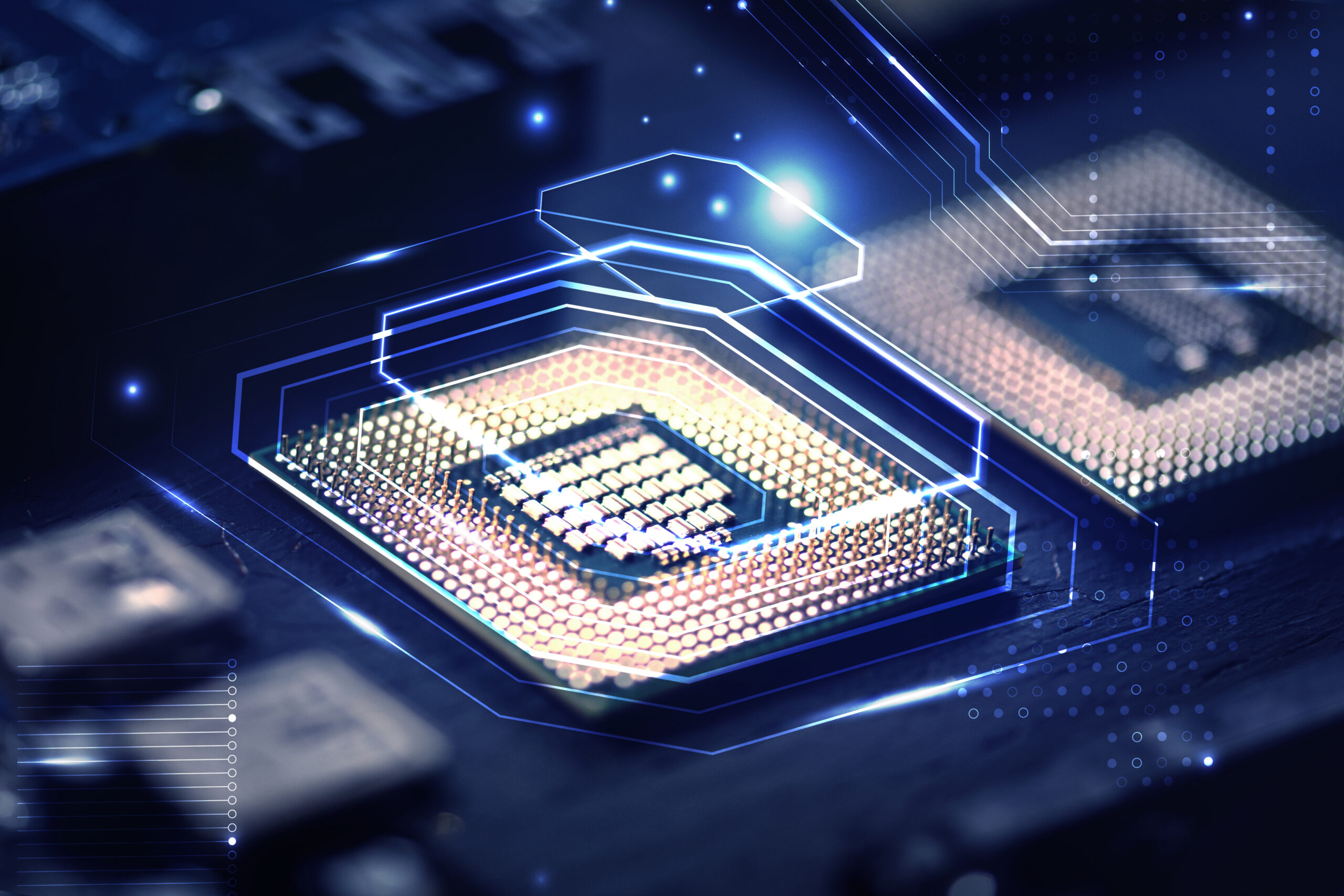
Twenty-first century warfare is built on a foundation of sand — the computer chips that are vital to many advanced systems, including the emerging areas of artificial intelligence and legacy weapons systems that depend on computer networks for their lethality and awareness. Much has been written about the threat to U.S. supply chains by China’s restrictions on rare earth magnets and strategic minerals. However, less has been said about the material necessary to create today’s computer chips, an area where the U.S. holds an advantage over China. This dominance rests on a bed of sand, specifically United States deposits of the ultra-high-purity quartz required to make computer chips. One town in North Carolina mines the material and exports it to the world. Can it be made elsewhere? Yes, but in small quantities. Industry demands ultra-high-purity quartz, and world stockpiles are limited to only a few months’ supply.
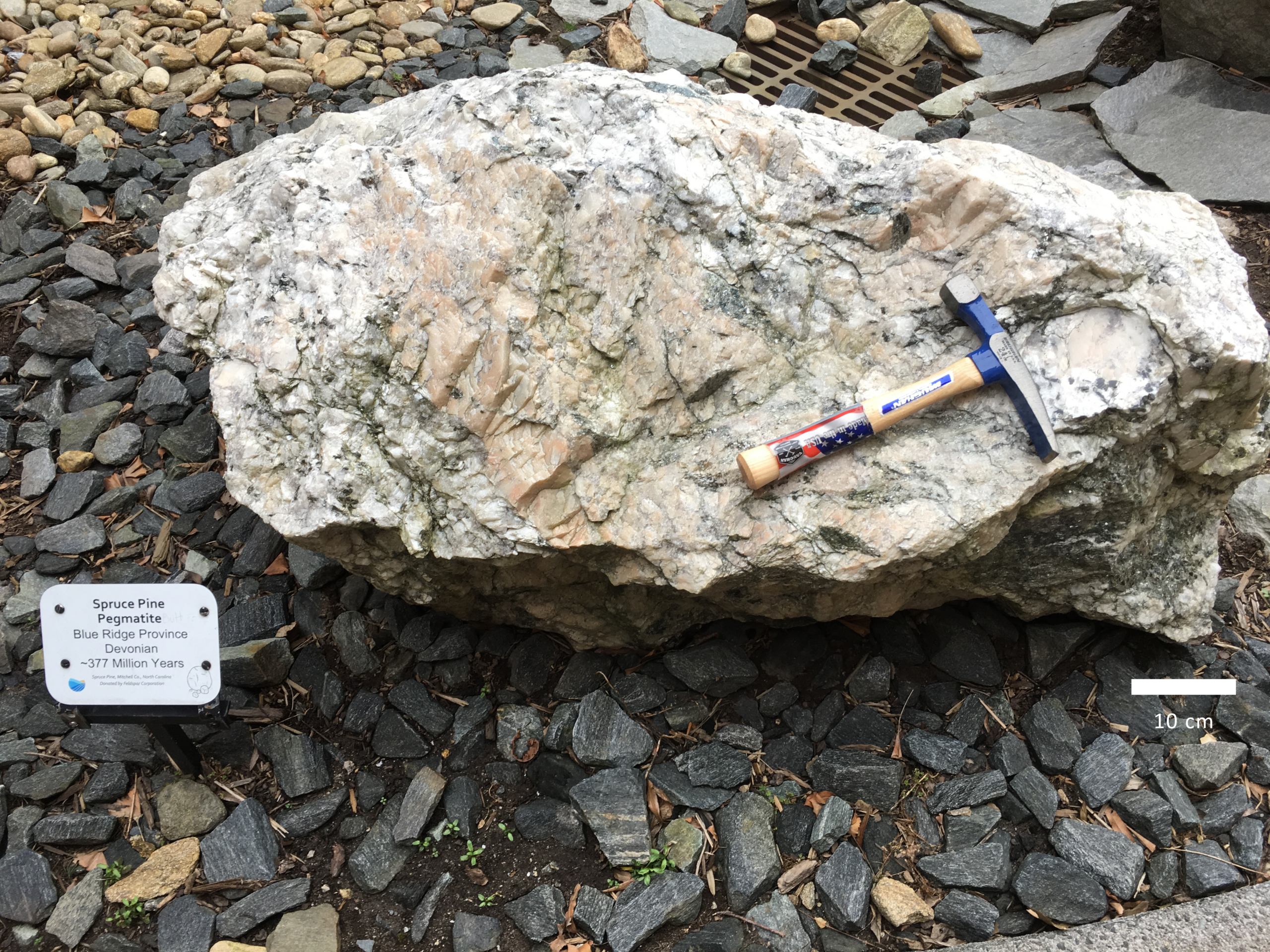
The town of Spruce Pine in North Carolina is home to Sibelco, which extracts and refines the quartz needed to make the crucibles that companies use to make silicon wafers. Most computers, smartphones, fiber-optic cables, and many solar panels rely on this pure quartz. However, there is a catch: Spruce Pine is America’s only known source of high-purity quartz (HPQ). The mines, despite the value and the scarcity of their product, were significantly damaged by Hurricane Helene. Why does this matter? The estimated worldwide HPQ production was estimated at 30,000 tons as of 2018. Of this total, 99% comes from the Sibelco mines in Spruce Pine. Russia and Brazil also produce HPQ. Exact amounts are hard to estimate but the small numbers of manufacturers testifies to the difficulty of producing the highest quality quartz for computer chips. The purity demanded for computer chips is only reached after a multi-stage process that takes the ultra-high-purity quartz, pulverizes it, purifies the result, and then purifies it to a standard of 99.9992 or Iota 8, which contains only 80 molecules of impurities in a billion molecules of SiO2 (Silicon Dioxide). To put things into perspective — purity counts. Basic Iota quartz at a purity of 99.998 can be used for solar cells and lamp bulbs, but it’s nowhere good enough for computer chips. Only when the quartz sand is pure enough will it be melted in a crucible and turned into single crystal ingots for slicing into wafers. Wafers are then polished and finally become the base for modern computer chips.
The demand for HPQ comes from the crucibles that are required to grow silicon crystals in the Czochralski process that is driven by the demand for bigger and more complex semiconductors. Expanding computer chip manufacturing increases the demand for HPQ across worldwide supply chains. The greatest demand originates in Asia where semiconductor manufacturers and solar industries are engaged in a “chips arm race.” The demand for HPQ is not likely to abate due to its necessity for digitization, artificial intelligence and 5G systems, internet and fiber optic cables, solar power, and all systems that require microchips.
Supply chain management and access to naturally occurring HPQ is a strategic economic concern that surpasses commercial concerns, especially when microchips for defense AI, weapons systems, and electronic warfare are considered. Stockpiling HPQ is a logical step to mitigate potential impacts on defense industries and companies that produce materials with dual use potential. Although there are deposits of HPQ in the United States, Norway, and Australia, the U.S. deposits are the most commercially viable.
The impact of natural disasters on security and national defense is often viewed through a lens that prioritizes analysis of how weather affects weapons systems, installations, and plans. However, the effects of ecological events on strategic nodes in our national defense strategic stockpile and manufacturers must be considered. When Hurricane Helene dumped two feet of rain on Spruce Pine in 2024, it shut down HPQ mines for more than two weeks. If there had been redundant capacity in unaffected areas, the impact could have been reduced. However, Spruce Pine is one of just a few places around the world where HPQ is mined and processed.
Lower purity quartz can be used but the purification process, as previously stated, is expensive and time consuming. The Hurricane Helene flooding and damage to the Spruce Pine mines highlights the scarcity of HPQ and the potential for any future damage to the mines to be a single point of failure in the microchip manufacturing process. Additional domestic mines may be created in South Carolina and supply chain resilience developed with foreign sources. Silicon provider Ferroglobe Plc in 2024 announced intentions to start HPQ production in South Carolina. Developing domestic stockpiles and additional safeguards are essential to national security in the age of AI. Spruce Pine has suffered other disasters before, including a fire in 2008. Further, it is worth considering, as tariffs are applied against Europe, that not only a supply source in Norway, but also the Belgian owners of the Sibelco mine, may be affected.
It is necessary to look to additional allies and trade partners, such as Australia that have HPQ processing capability, albeit in lower quantities than Spruce Pine. Additional HPQ supplies may also be obtained from Mexico and Canada where potential sources are being evaluated for future development, or Mauritania and Brazil where small quantities of HPQ are being produced. The main strategic competition for these non-U.S. HPQ sources is China, which has its own HPQ production capability spread across several companies that are operating at a smaller scale than the companies at Spruce Pine. Selective foreign ownership of quartz resources is an issue. A Belgian company is not seen as a threat, but the North Carolina legislature recognized the risk of potential adversarial ownership of quartz mines in 2023 House Bill 385, specifically in article 3, that denies ownership by persons or entities identified as originating in adversarial states. Much like rare earth metals competition, Chinese competition for resources will continue to highlight the importance of stable and secure supply chains for HPQ access and the potential for denied access where China controls resources.
Ultra-high purity quartz is essential for today’s digital world. The HPQ that undergirds AI, digital wonders, communications systems, and solar power is derived from primordial quartz rock that after processing is a sand unlike any other in its purity. When we consider the impacts on world supply that occurred following a natural disaster, it is critical to draw connections with the essential processes that will be necessary to create the weapons and systems needed to wage modern war. Just as the U.S. has a strategic stockpile of minerals and rare earth metals, it should maintain a stockpile of HPQ in the event of an irregular warfare attack at its domestic production facilities or a worldwide disruption of the HPQ supply chain. Much like houses built on sand, failure to control the basis for the digital economy could wash away much of the security that the U.S. derives from its digital dominance.
 If you enjoyed this post, check out the T2COM G-2’s Operational Environment Enterprise web page, brimming with authoritative information on the Operational Environment and how our adversaries fight.
About the Author: Dr. John Ringquist is a retired military officer of thirty-five years Army service. He writes about technology, security, and military topics, and is working on a book about new technologies and the future of war.
Disclaimer: The views expressed in this blog post do not necessarily reflect those of the U.S. Department of Defense, Department of the Army, or the Transformation and Training Command (T2COM).